Whole Reality Photography

Kelvin’s Clouds is a set of reflections that represent my journey through the topics of science and religion, seeking to find perspectives that are rational while recognizing the incompleteness of our knowledge about humanity and the nature of reality. These reflections are mostly essays with the occasional drawing or picture. Writing the ideas out helps me to think them through.

Photography is another tool that I sometimes use to think about these things (in addition to just having fun). That work is presented on a different site: Whole Reality.

The general theme of Whole Reality photography is learning to see better.

Continue reading

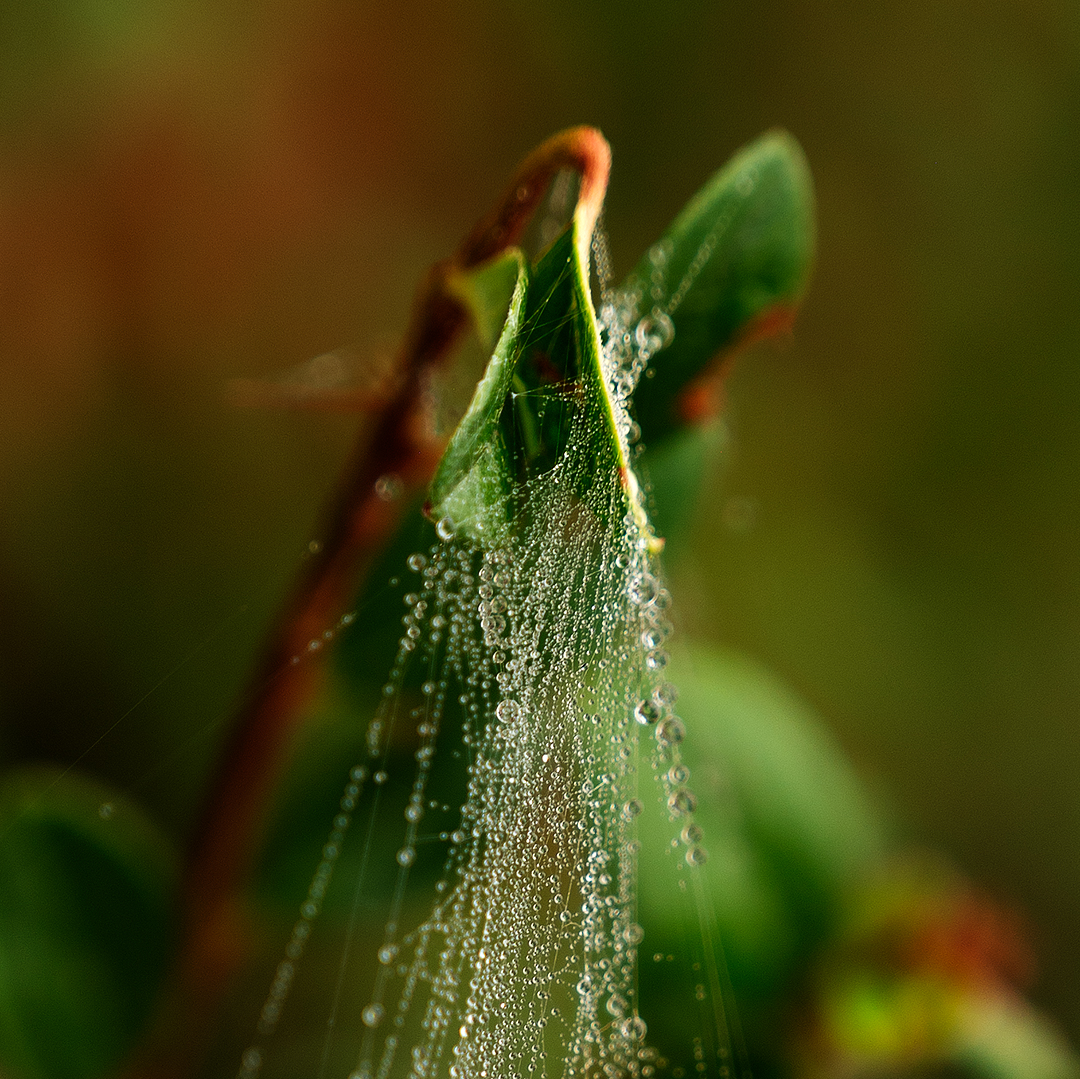
Seeing Confirmation Bias

Photographers often strive to find new ways of seeing the world. In a sense, this involves looking for new information, which is a healthy way to live. Unfortunately, we tend to avoid this due to our innate tendency for something called “confirmation bias”.

Confirmation bias is the tendency to search for, interpret, favor, and recall information in a way that confirms or supports one’s prior beliefs or values. People display this bias when they select information that supports their views, ignoring contrary information, or when they interpret ambiguous evidence as supporting their existing attitudes. –Wikipedia

Confirmation bias makes it harder for us to adopt new perspectives, perhaps even to learn new ideas, because we will tend to avoid information that could lead us to change existing beliefs.

Continue reading

Convergence

With so many different viewpoints and sources of information today, how can we best tell when something is true? That’s a big question, but one helpful thing is to notice when separate lines of evidence converge to a consistent answer.

One of the problems with interpreting sources is avoiding confirmation bias. This is when we look for sources that say what we already think. It’s a very common human trait and is largely amplified by social media and today’s biased news sources.

Continue reading

Beautiful Fading

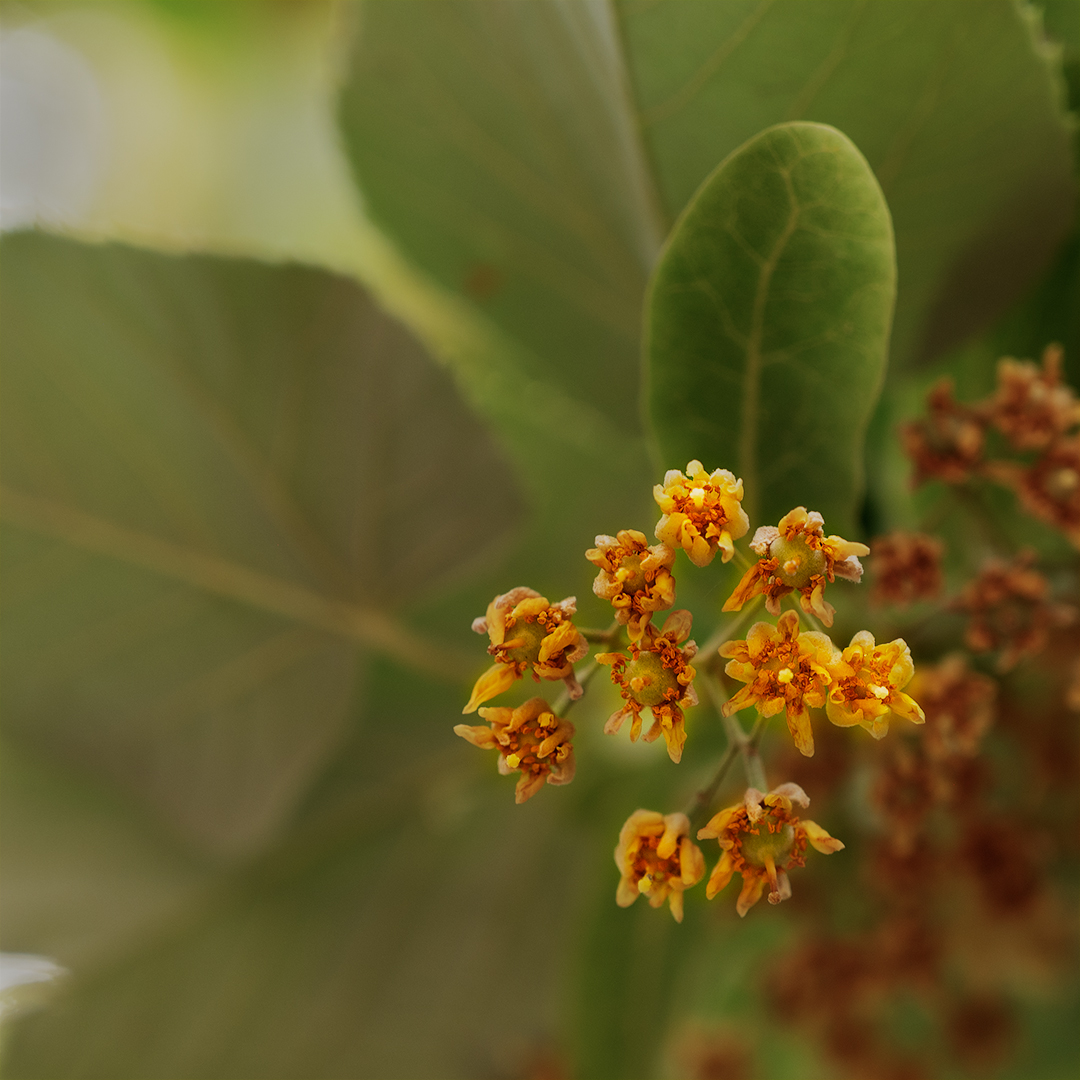
We seem to find beauty in unlikely places. Evolution says we should be attracted to those things that benefit us, and so it seems that we should find beauty in those things that support flourishing. However, we also sometimes find beauty in things like austere mountain peaks, desolate lunar wastelands, and sometimes even in dying foliage.

For example, one of the most common pictures of the end of summer, the shortening of daylight, is fall colors, yet these represent life being pulled back from the leaves in order to prepare for the coming season of scarcity. Hardly a cheery thought, and yet it’s considered an iconically beautiful scene.

In a like manner, this scene struck me as beautiful even though it features flowers that are in decline.

This sense is sometimes explained as our evolutionarily-bequeathed aesthetics misfiring, being activated incorrectly. In this line of thought, what we perceive as something wonderful, is really just a mistake.

Continue reading

The Sense of Waterfalls

MCFx2This is Majestic Falls, in McDowell Creek Falls area, taken on a morning that was supposed to be cloudy but turned out sunny. Fortunately we made it there before the sun became a problem. Taken with a long exposure, the falling water appears silky smooth, almost like a wisp.

This photographic approach is very popular. One reason may simply be the aesthetic of silky smoothness. But also, something about this style seems to capture what we feel when we see a waterfall — the sense of pure unbroken flow.

In other words, the smooth lines of flowing water give a sense of what we experience, but may not be an accurate representation of what we physically see.

I think this is an interesting distinction — the difference between what we observe with physical senses, and what we consciously understand. What is the difference between what we see, and what we perceive? It’s tempting to think that what we see with our eyes is the “real” waterfall, and perception is not. But if the perception does represent something of what we experience, isn’t that also real?

It is as real as our own sense of identity and awareness. It’s as real as we are as individuals.

In other words, if the picture captures anything of what you experience when looking at the waterfall, then it is as real as you are, as the people you know, as the relationships in your life. Not physical things, but real nonetheless. And in many cases, those things that are most important.